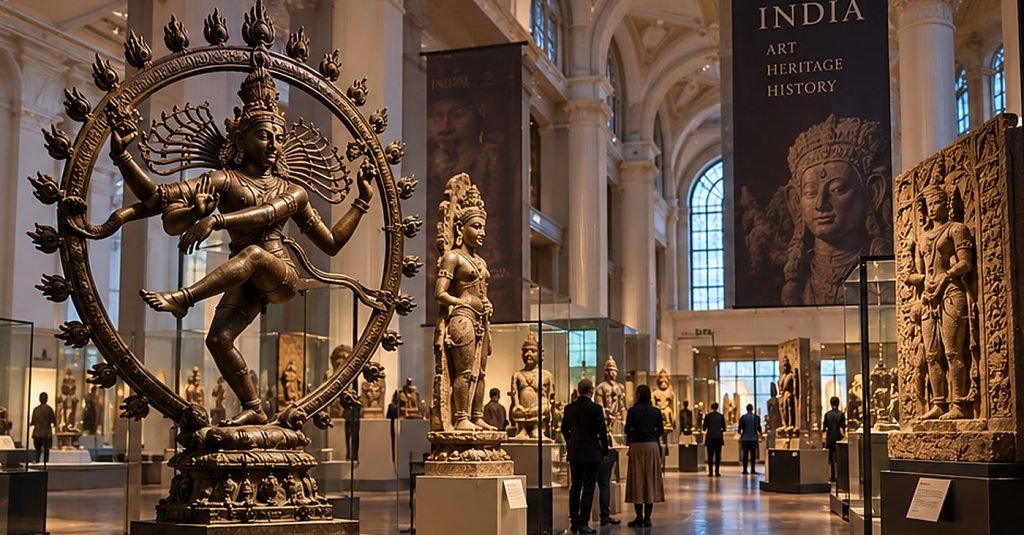
More Than Objects Behind Glass
Imagine standing before a centuries-old sculpture in a museum thousands of miles from the place where it was created. The carving may still be beautiful, but its story is incomplete without the community, beliefs and traditions that gave it meaning. Across the world, museums hold Indian objects acquired during the colonial era. Some were bought or gifted; others were removed after military campaigns or under unequal conditions of power. Their journeys cannot all be explained in the same way. Yet each raises a question: who should help decide how this heritage is preserved, interpreted and shared?
How Cultural Heritage Crossed Oceans
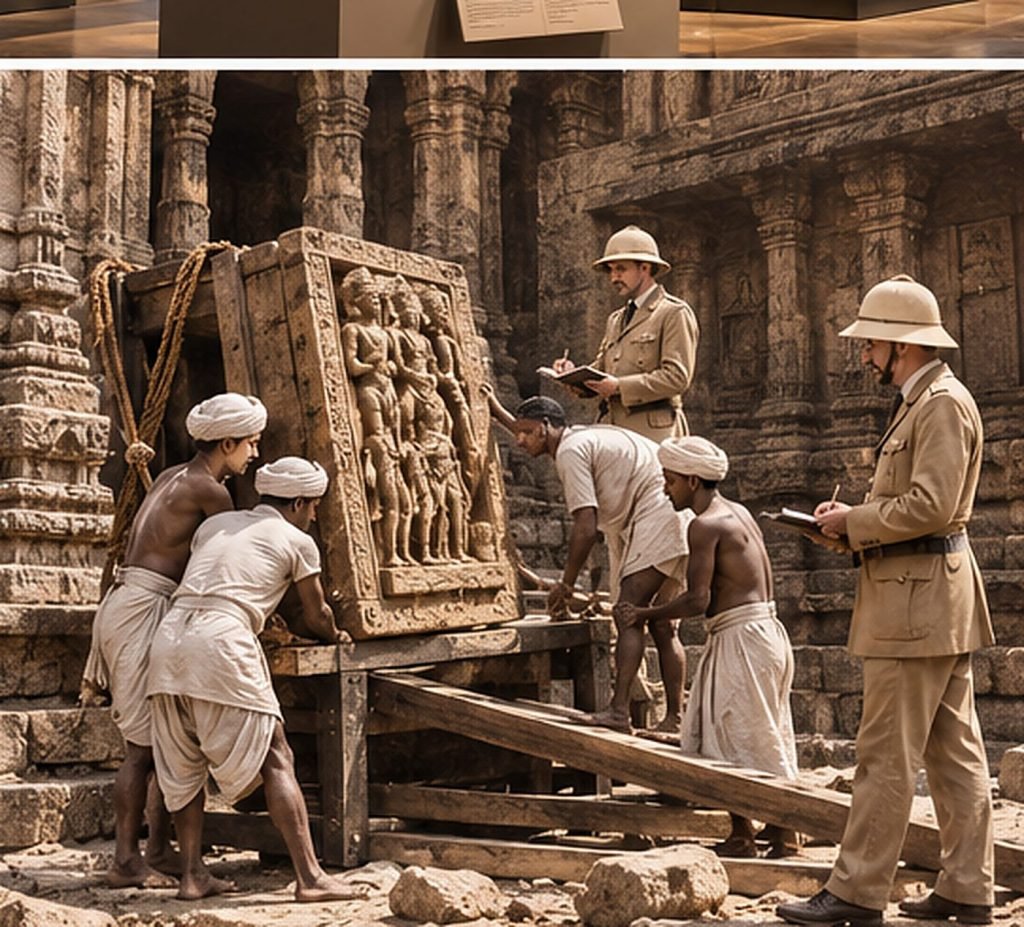
As the East India Company expanded its influence, soldiers, administrators, collectors and scholars acquired objects ranging from manuscripts and textiles to sculptures and royal possessions. British institutions later received many of these collections. One famous example is Tipu’s Tiger, a wooden mechanical object made for Tipu Sultan of Mysore. Following the British capture of Seringapatam in 1799, it was taken to London and is now held by the Victoria and Albert Museum. Other histories are more complicated. Sculptures associated with the ancient Buddhist site of Amaravati were removed during nineteenth-century excavations and eventually entered the British Museum’s collections. Understanding such histories means looking beyond a museum label to the circumstances in which each object left India.
What Was Lost When an Artefact Was Removed?
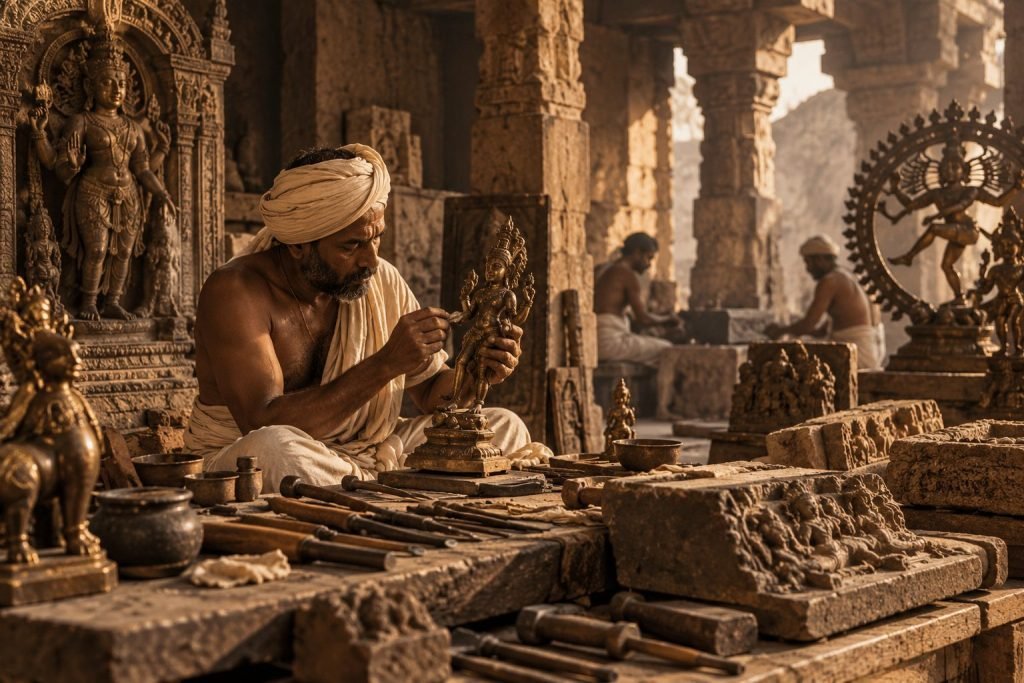
Cultural heritage is not simply a collection of expensive possessions. A temple sculpture can be part of a living practice of worship. A royal object can embody a ruler’s political world. A manuscript can preserve knowledge, language and artistic tradition. When objects are separated from their original settings, communities may lose access not only to the material object but also to parts of their collective memory. International museums can contribute to scholarship and conservation, but these benefits do not make questions of consent, provenance and historical power disappear.
Why Every Claim Deserves a Careful Examination
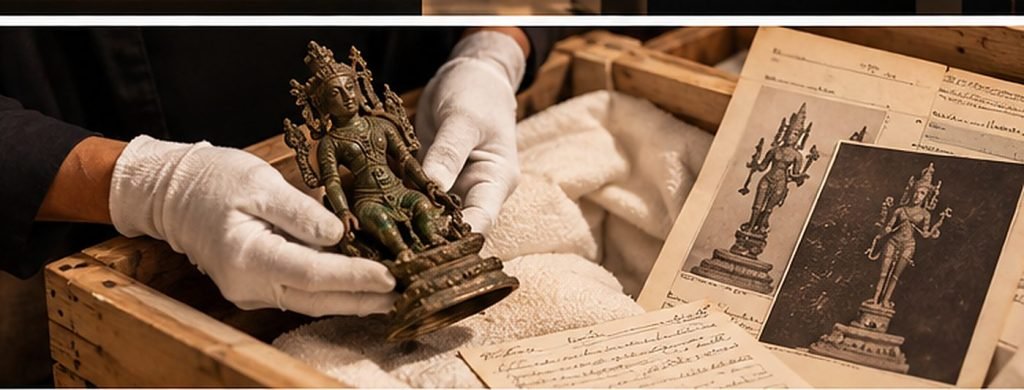
A responsible repatriation process begins with evidence. Researchers can examine acquisition records, excavation notes, correspondence, shipping documents and testimony from communities connected to an object. Governments, museums, historians, conservators and representatives of affected communities should then discuss its legal status and cultural significance. International rules matter, but the UNESCO 1970 Convention is generally not retroactive, so colonial-era cases often require other legal routes or negotiated solutions. Outcomes might include permanent return, joint research, improved public access, shared exhibitions or other arrangements. These possibilities should not be treated as interchangeable: the right response depends on the facts of each case and the wishes of those most closely connected to the heritage.
A Dialogue That Can Lead to Action
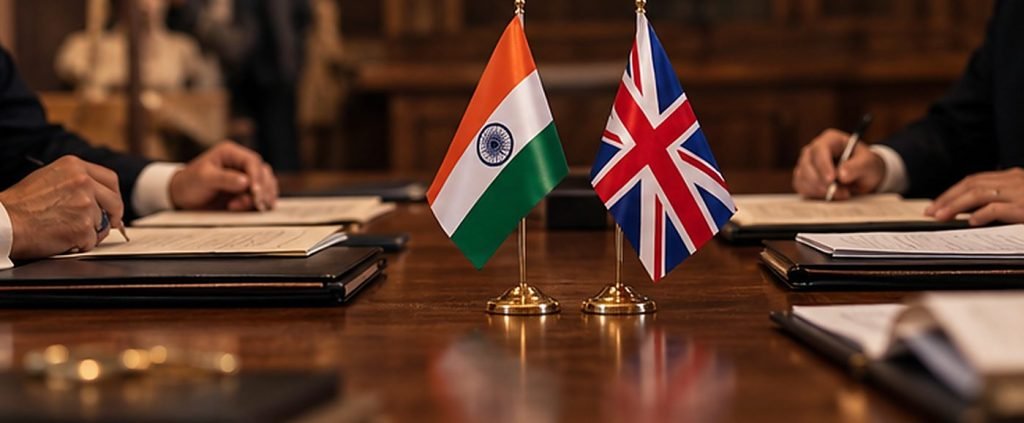
Repatriation need not remain an abstract debate. In 2026, Oxford’s Ashmolean Museum announced the return of a sixteenth-century bronze image of Saint Tirumankai Alvar to India following provenance research and cooperation with Indian authorities. The example shows how careful investigation and constructive dialogue can turn a disputed history into a concrete decision. Equally important is transparency: public access to collection records allows people in India and elsewhere to understand what was removed, when and by whom.
Remembering the Past With Honesty and Dignity
Conversations about colonial-era artefacts are not about assigning personal blame to people alive today. They are about acknowledging how power shaped the movement of cultural treasures and ensuring that communities are heard in decisions about their heritage. A National Day of Commemoration for the Victims of British Colonialism could encourage wider public learning about these losses alongside the human and economic costs of empire. When the stories behind objects are told fully, museums become more than places of display: they can become places of truth, dialogue and repair.