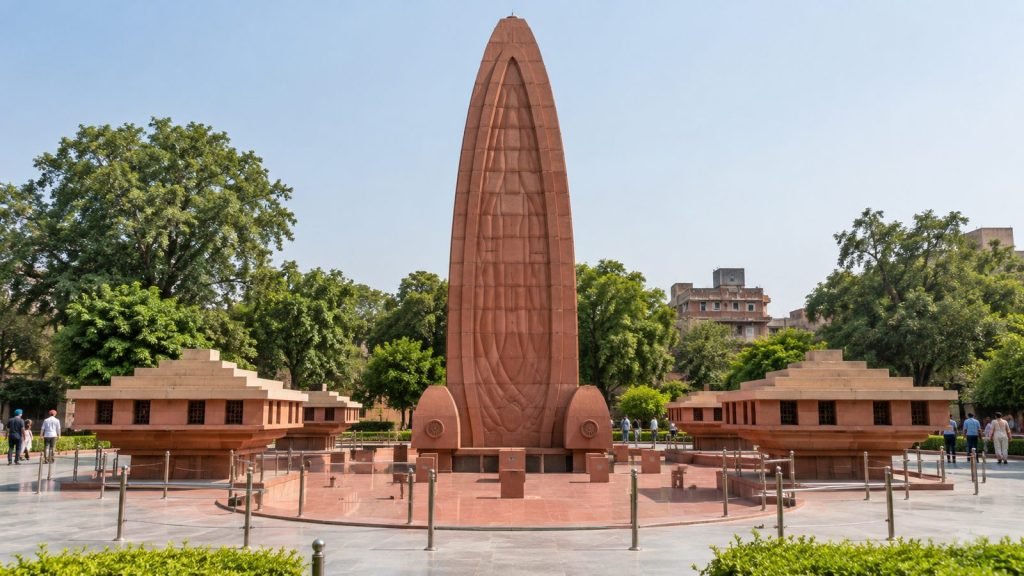
Key statistic
379
Official British death toll at Jallianwala Bagh on 13 April 1919. Indian estimates placed the number significantly higher.
On 13 April 1919, thousands of Indians gathered at Jallianwala Bagh in Amritsar, Punjab, unaware that the day would become one of the darkest chapters in India’s colonial history. What began as a peaceful gathering during the festival of Baisakhi ended in a massacre that shocked the nation and changed the direction of India’s freedom struggle.
More than a century later, Jallianwala Bagh remains a powerful reminder of the human cost of British colonial rule.
Why Did Thousands Gather at Jallianwala Bagh?
In 1919, resentment against British rule was growing across India. The introduction of the Rowlatt Act intensified public anger by allowing the colonial government to exercise extraordinary powers against people suspected of political activities.
Tensions rose further when two prominent Indian leaders, Dr. Saifuddin Kitchlew and Dr. Satyapal, were arrested in Amritsar.
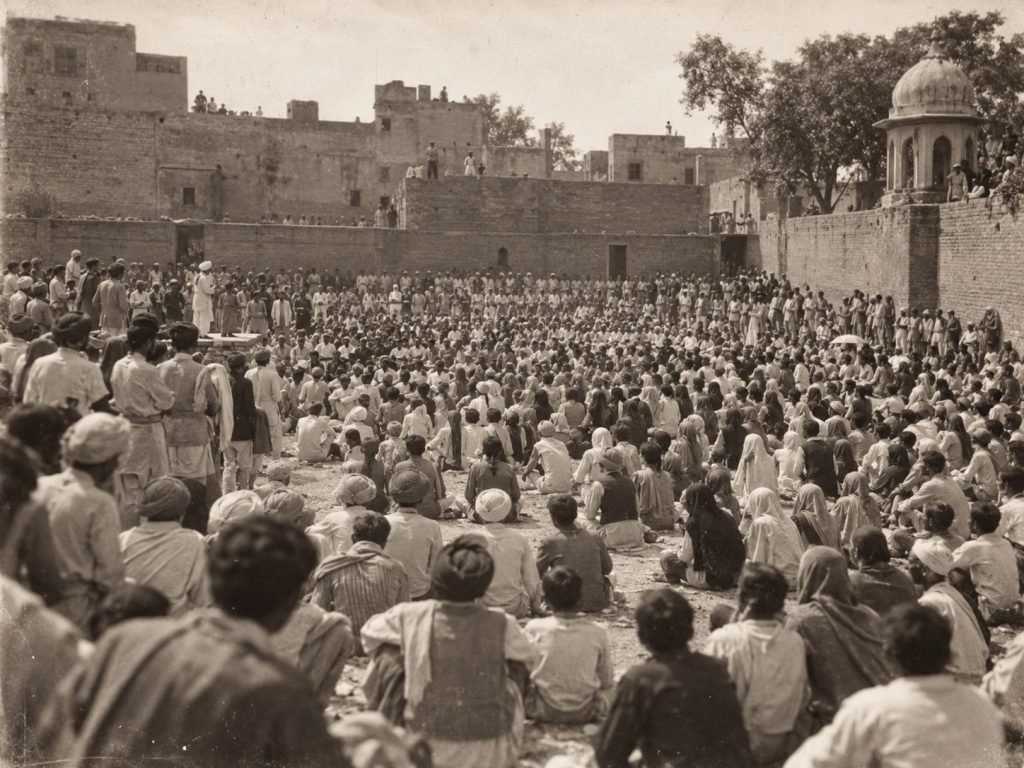
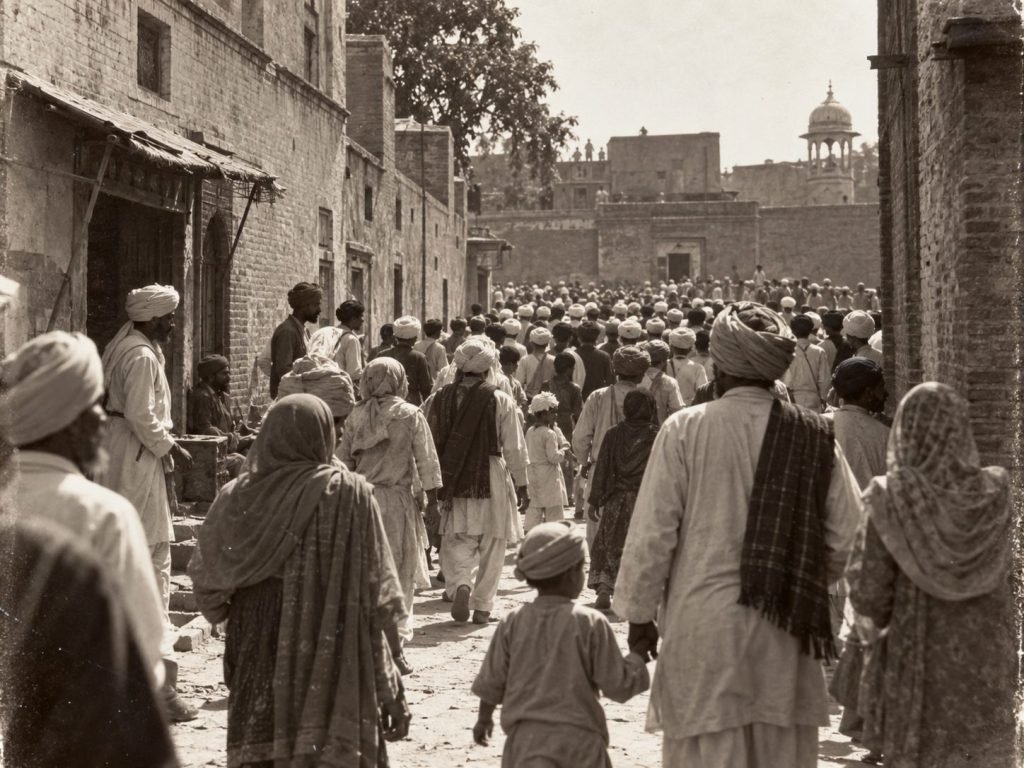
On Baisakhi, thousands assembled at Jallianwala Bagh. Some came to participate in a public meeting protesting colonial repression, while others were in the city for the festival.
The gathering included ordinary civilians, families and people from different walks of life.
The Tragedy of 13 April 1919
Brigadier-General Reginald Dyer arrived at Jallianwala Bagh with armed troops. Without warning the assembled crowd to disperse, he ordered his soldiers to open fire.
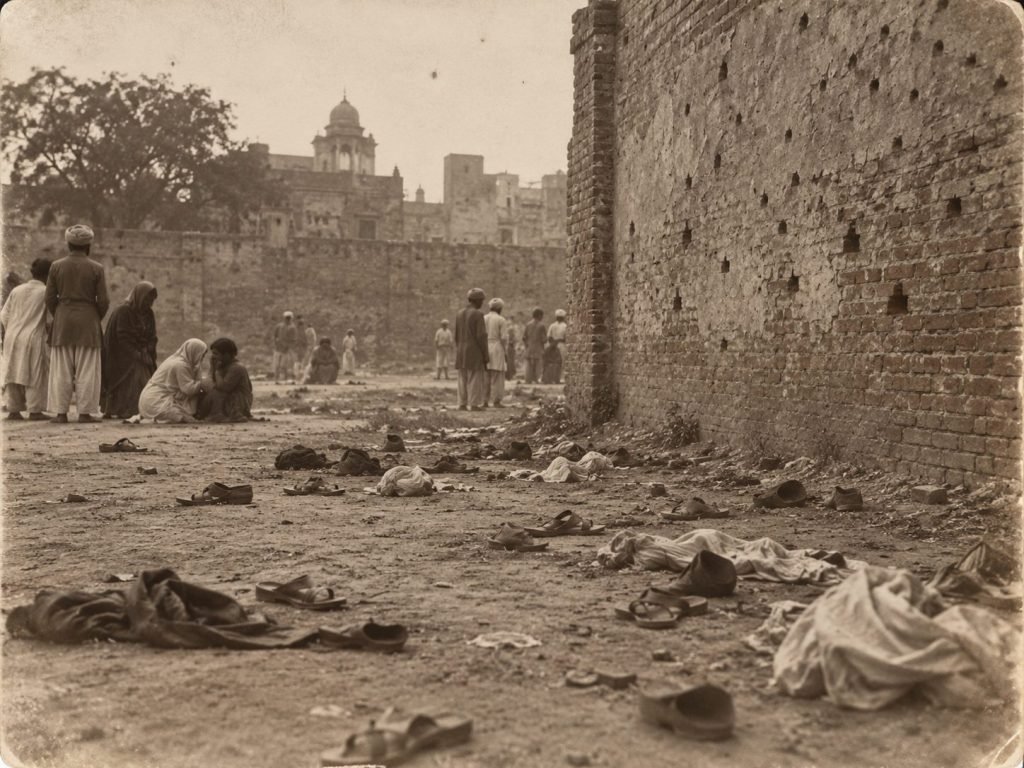
The enclosed ground had limited exits, leaving people struggling to escape. As bullets struck the crowd, panic spread. People ran desperately in search of safety, while others were trapped by the surrounding walls. Some jumped into a well in an attempt to escape the gunfire.
Approximately 1,650 rounds were fired over about ten minutes.
The official British death toll was 379, although Indian estimates placed the number significantly higher. Many others suffered injuries, and the true scale of the tragedy remains disputed.
The massacre exposed the devastating consequences of using military force against unarmed civilians under colonial rule.
A Massacre That Changed India’s Freedom Struggle
News of the killings spread across India, provoking widespread grief, outrage and condemnation.
Rabindranath Tagore protested against the violence by renouncing his British knighthood. Mahatma Gandhi, who had already been mobilising opposition to the Rowlatt Act, increasingly challenged the legitimacy of British rule.
The massacre became an important turning point in the growth of India’s national movement. It contributed to the political atmosphere that led to the Non-Cooperation Movement in 1920.
For many Indians, Jallianwala Bagh destroyed any remaining confidence that colonial authorities would protect the basic rights and dignity of those they governed.
Why Jallianwala Bagh Must Never Be Forgotten
Today, the Jallianwala Bagh National Memorial in Amritsar preserves the memory of those who lost their lives. Visitors can still see preserved bullet-marked walls and the historic well associated with the tragedy.
These physical reminders tell a story that goes beyond historical dates and casualty figures.
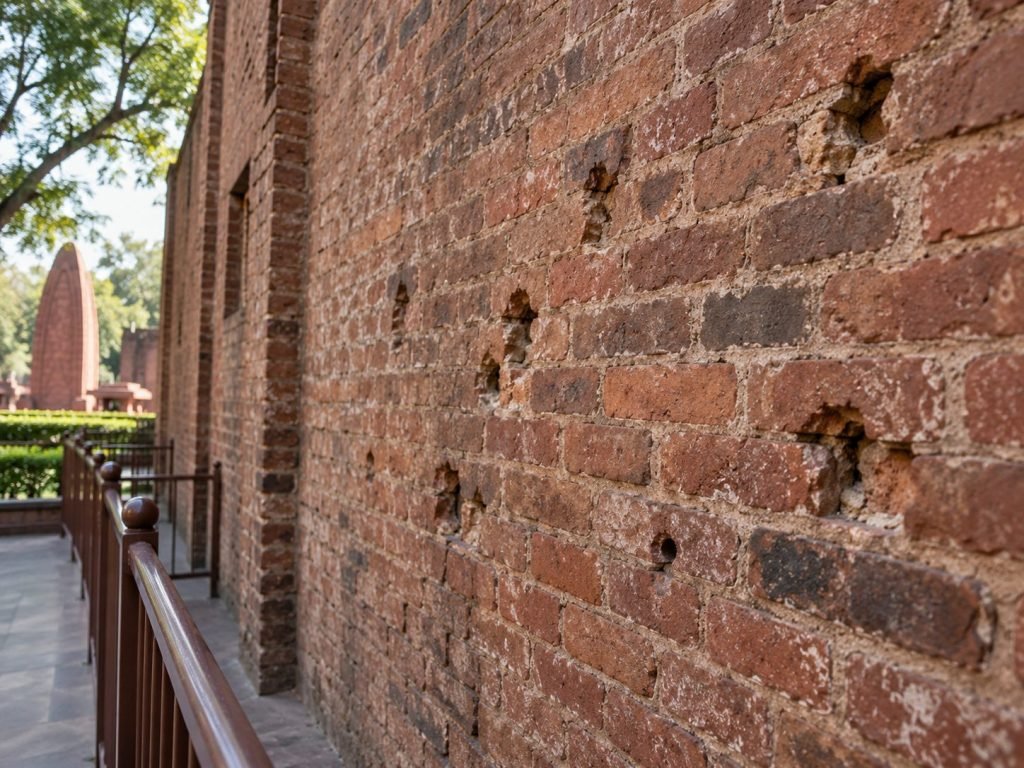
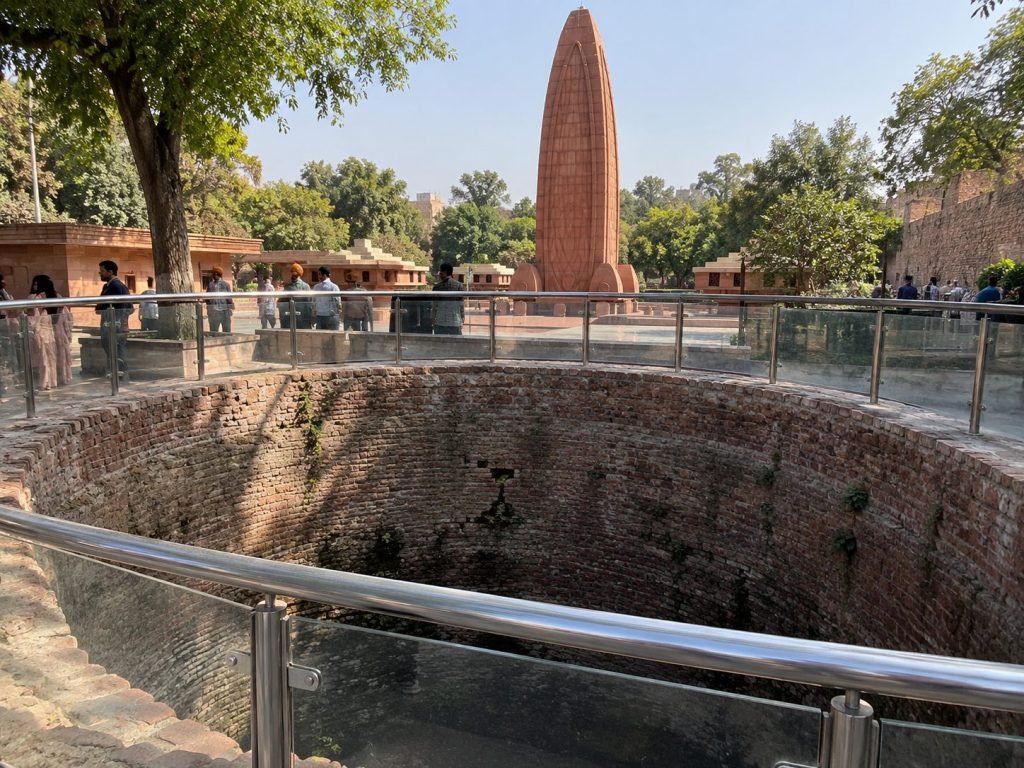
The victims were not simply numbers in a colonial record. They were ordinary people with families, hopes and futures that were violently taken away.
Remembering Jallianwala Bagh means acknowledging the suffering caused by colonial repression and recognising the courage of those who resisted injustice.
It also raises an important question: how can India ensure that the countless ordinary people who suffered under British colonialism are remembered alongside its celebrated freedom fighters?
A National Day of Commemoration for the Victims of British Colonialism could provide an opportunity to honour these forgotten lives and encourage future generations to understand their history.
Jallianwala Bagh is not only a story of tragedy. It is a reminder of why remembrance, dignity and freedom matter.