A Sacred Site of Artistic Splendour
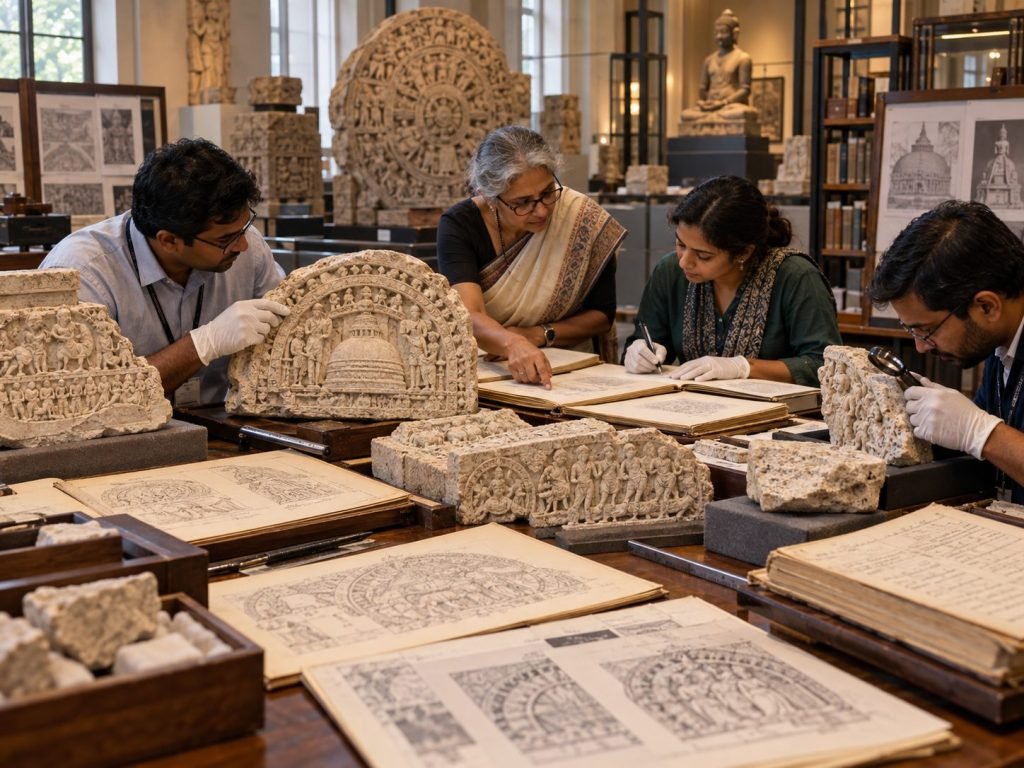
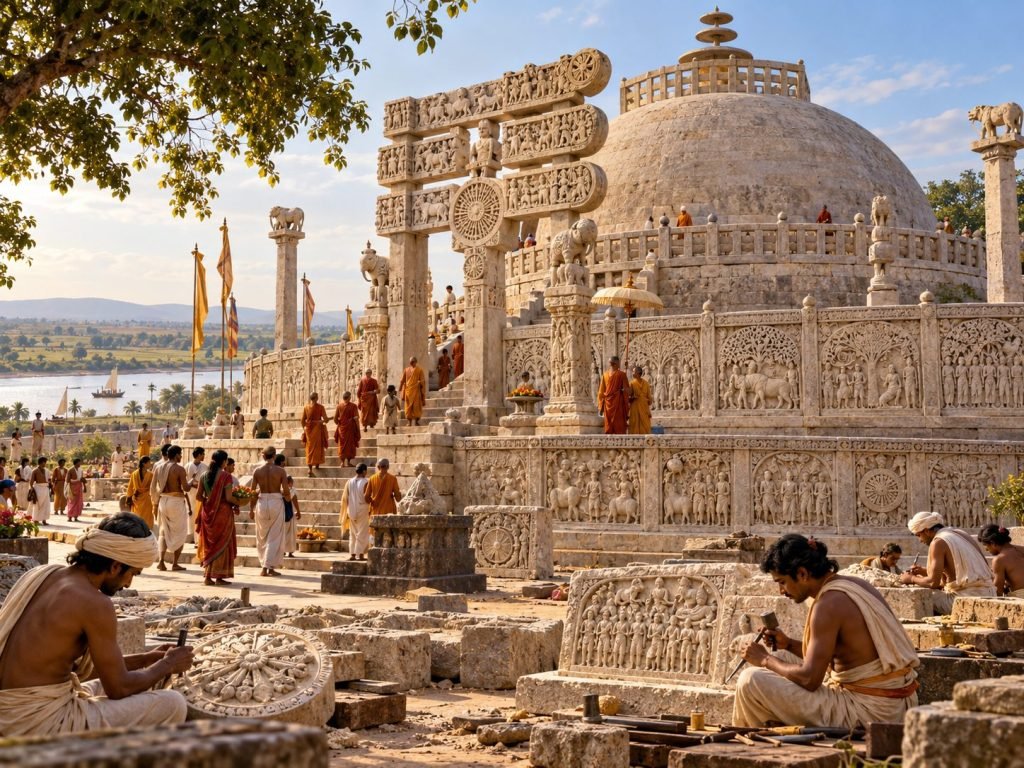
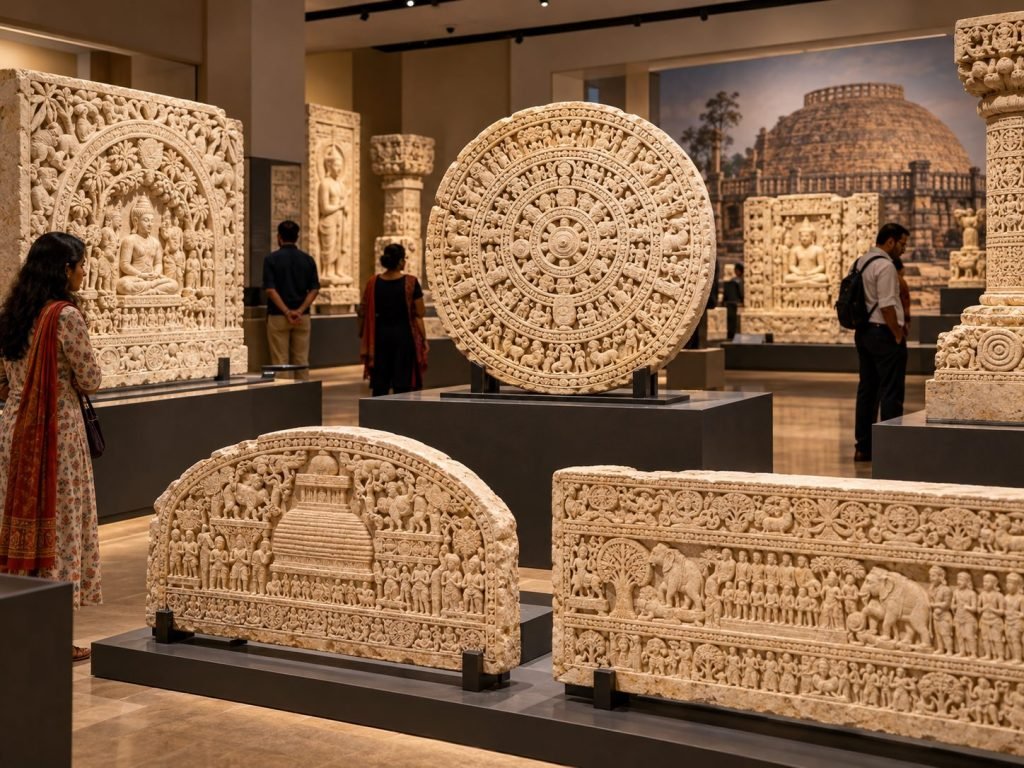
The Amaravati Marbles are among the most remarkable surviving expressions of India’s early Buddhist art. Originally part of the Great Stupa at Amaravati in present-day Andhra Pradesh, these limestone sculptures were created between roughly the second century BCE and the third century CE. Their finely carved panels depict scenes from the life of the Buddha, sacred symbols, donor figures, and narrative episodes that reflect the sophistication of Indian craftsmanship and the spiritual vitality of Buddhist traditions in the Deccan. For generations, these sculptures formed part of a living cultural landscape rather than isolated museum objects. They belonged to a sacred environment shaped by ritual, memory, pilgrimage, and community participation.
How the Sculptures Left Amaravati
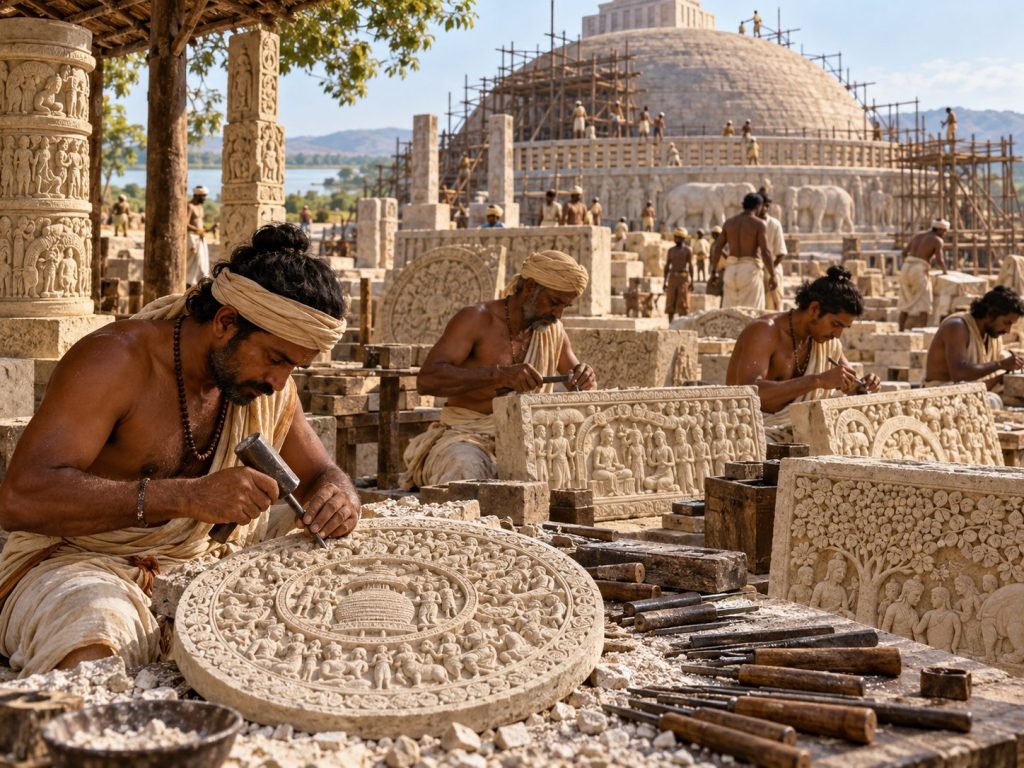
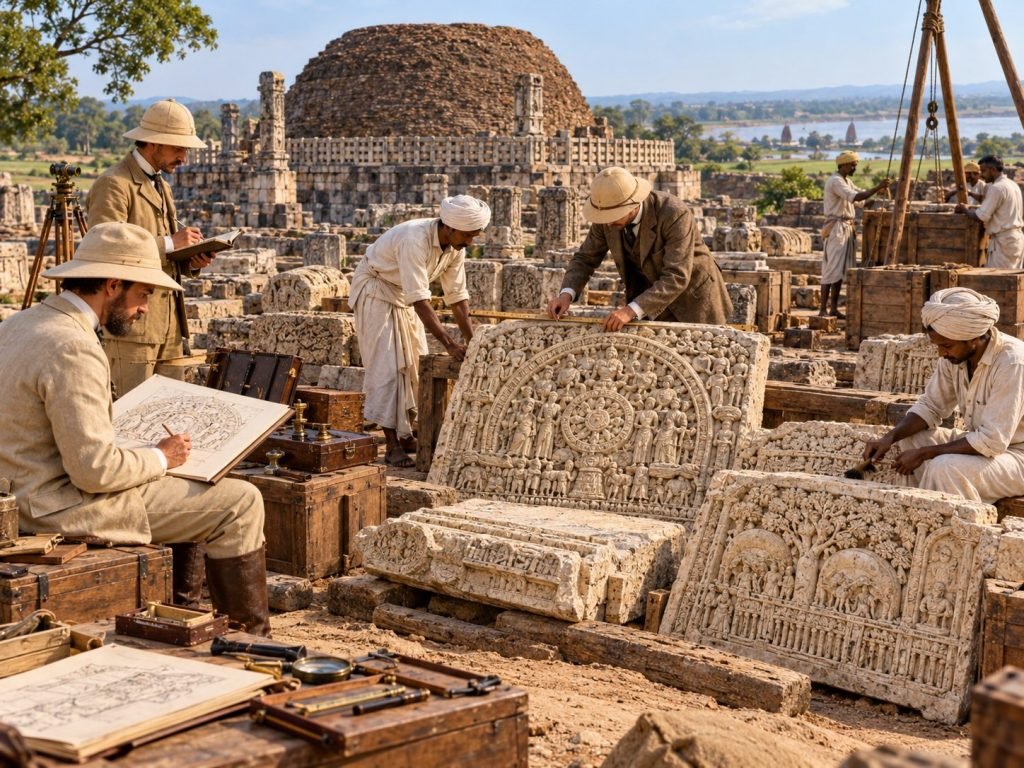
During the nineteenth century, as British colonial rule expanded across India, many Amaravati sculptures were removed from their original setting. Some pieces entered official collections through archaeological activity, while others were dispersed into museums and institutions in Britain and elsewhere. This removal changed not only the physical fate of the sculptures but also the way they were interpreted. Detached from the stupa and the wider sacred environment, the marbles increasingly came to be viewed through the lens of imperial collecting, cataloguing, and display. What had once been part of a monumental Buddhist complex was gradually transformed into a museum category, often separated from local voices and spiritual context.
Why the Amaravati Marbles Still Matter
Today, the Amaravati Marbles are valued not simply as beautiful relics of the past, but as powerful reminders of India’s Buddhist heritage and artistic excellence. They hold importance for historians, archaeologists, curators, and communities who seek to understand how objects acquire new meanings when taken from their original cultural settings. Their story also raises wider questions about preservation, provenance, access, and the responsibilities of institutions that hold artefacts shaped by colonial history. For Andhra Pradesh and for India more broadly, the marbles remain connected to questions of identity, memory, and the right to narrate one’s own cultural past.
A Dialogue About Heritage and Responsibility
Discussions about the Amaravati Marbles now often include collaborative research, improved documentation, digital access, and the possibility of future repatriation or shared custodianship. A thoughtful, case-by-case approach allows scholarship and ethics to work together. Remembering the Amaravati Marbles means recognising both the brilliance of the civilisation that created them and the historical circumstances that carried them far from home. In doing so, India can continue building informed and dignified conversations about cultural justice, memory, and the protection of heritage for future generations. Such conversations are strongest when they are rooted in evidence, mutual respect, and a clear commitment to historical honesty.