Masterpieces of Faith and Craftsmanship
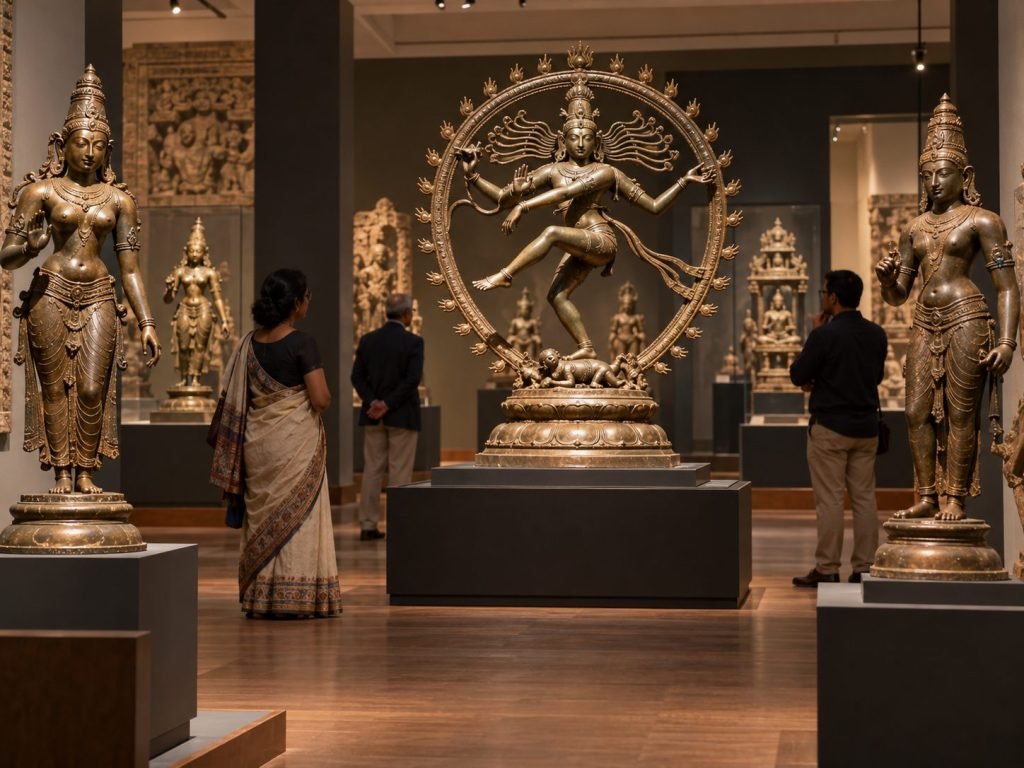
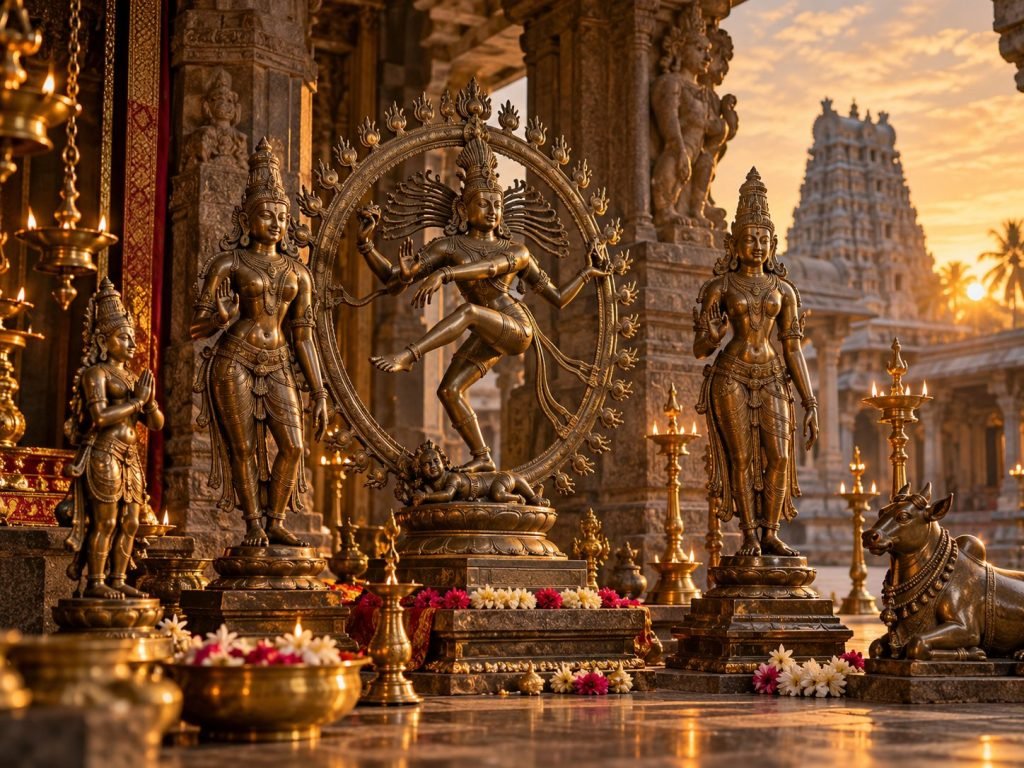
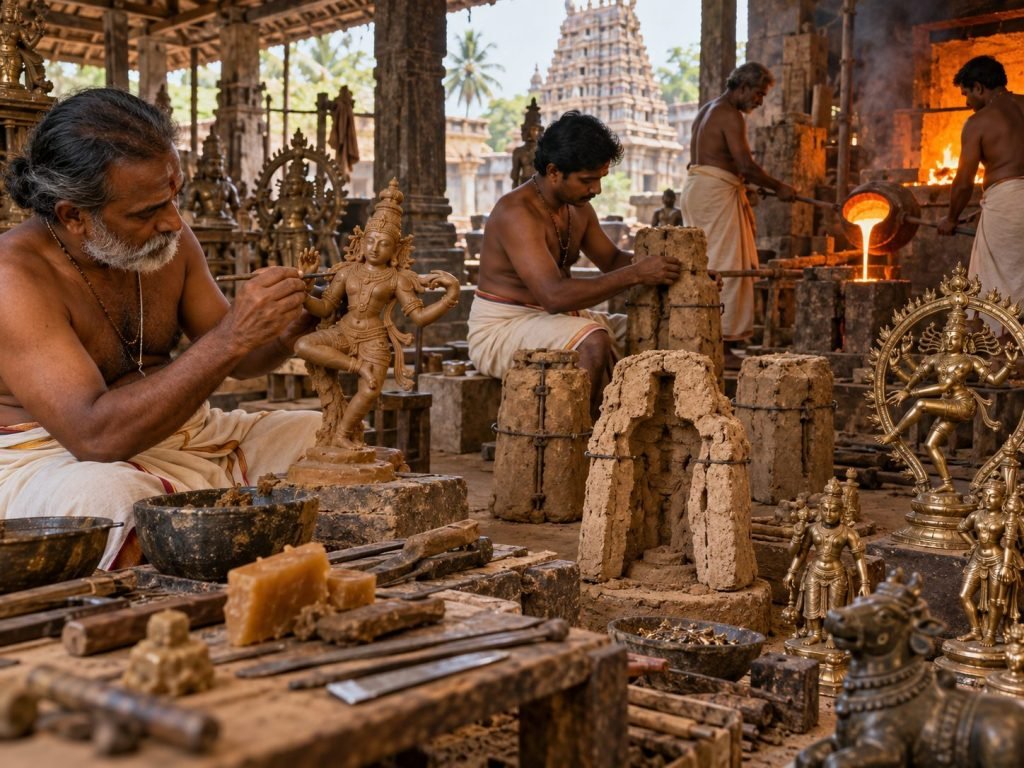
India’s temple bronzes rank among the greatest achievements of the country’s artistic and devotional traditions. Created over many centuries, and especially during the Chola period in South India, these sculptures represent deities such as Shiva, Parvati, Vishnu, and other revered figures. Their importance extends far beyond visual beauty. Temple bronzes were made for worship, ritual procession, and sacred presence. Every curve, ornament, and gesture was designed with theological meaning and artistic precision, reflecting a sophisticated union of faith and craftsmanship. Even today, these bronzes continue to inspire awe because they embody both technical mastery and spiritual imagination.
How Temple Bronzes Entered Collections
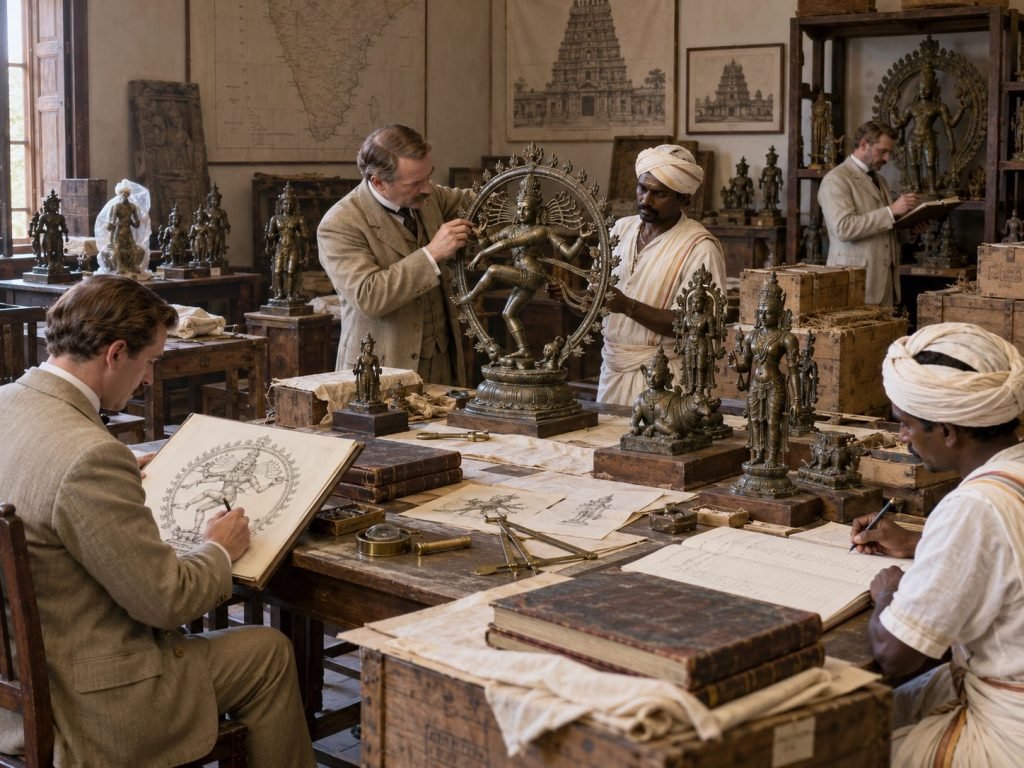
During the colonial era, a number of temple bronzes left India through excavation, private collecting, art markets, missionary networks, and the activities of dealers and officials. Over time, many of these works entered museums or private collections abroad. In some cases, documentation was incomplete, making it difficult to trace precisely how objects were acquired. As a result, these bronzes now sit at the heart of important discussions about provenance, legal ownership, ethical stewardship, and the obligations of institutions that display sacred art removed from its original context. Their journeys were often shaped by unequal power relations as well as changing tastes in collecting and scholarship.
More Than Museum Objects
To understand these bronzes only as artworks is to miss part of their meaning. For many communities, they remain living embodiments of devotion, memory, and identity. Their removal from temples or ritual settings can therefore feel like more than a physical loss; it can also represent a break in cultural continuity. At the same time, museums argue that conservation, research, and public display have made many of these works accessible to global audiences. This tension makes careful, evidence-based discussion essential. A responsible conversation must acknowledge both the value of preservation and the emotional, religious, and cultural significance these bronzes still hold.
Towards Responsible Preservation
Current conversations increasingly focus on cooperation rather than confrontation. Shared research, transparent cataloguing, improved documentation, long-term loans, conservation partnerships, and, where appropriate, repatriation can all play a role. The story of India’s temple bronzes highlights the need to preserve artistic heritage while honouring cultural and spiritual significance. A professional and respectful dialogue helps ensure that these extraordinary works are not merely admired, but also understood in relation to the people, places, and traditions that gave them life. In that sense, preservation becomes not only a museum duty, but also an ethical responsibility toward living heritage.