Law
Sedition, Then and Now
The colonial laws India inherited, and the slow, contested process of writing them out of the statute book.
Key statistic
1860
Year the Indian Penal Code was enacted — much of it still shaped Indian criminal law well into the 21st century.
The Indian Penal Code of 1860, the Code of Criminal Procedure, the Evidence Act, and the offence of sedition under Section 124A — these were not written by Indians, and they were not written for an independent India. They were written by British administrators for a colonial state that needed to police dissent.
For decades after Independence, they remained on the books largely unchanged. The offence of sedition — famously used against Bal Gangadhar Tilak and Mahatma Gandhi — continued to be used against Indian citizens well into the 21st century.

The Initiative traces the long, uneven process of decolonising Indian law: from the Constituent Assembly debates, through the law commissions of the 1970s and 1980s, to the enactment of the Bharatiya Nyaya Sanhita and the ongoing debates over what should replace colonial-era criminal procedure.
Law is one of the most durable inheritances of empire. Writing new codes is only part of the work. Deciding what a post-colonial legal culture looks like — its assumptions, its language, its temperament — is the larger project.
“You cannot inherit a colonial statute book and expect a post-colonial citizenry to feel at home in it.”
— From a campaign essay — draft
Conversation with a constitutional lawyer
[Video conversation — to be embedded.]
Draft content — to be replaced with editorial copy.
Continue Reading
More from The Initiative.
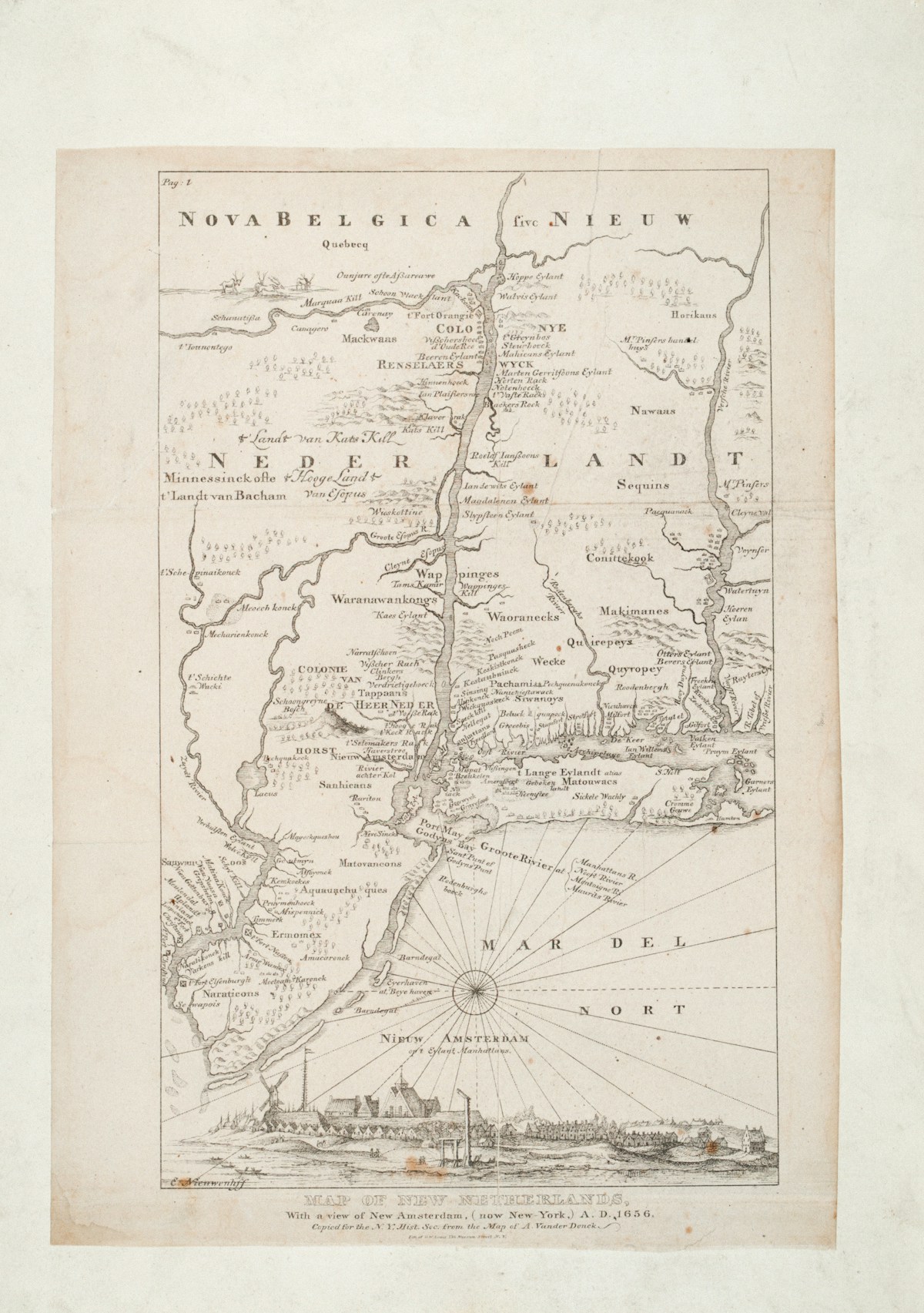
Empire & the Indian Economy
How 200 years of colonial rule turned the world's richest economy into one of its poorest — and what that inheritance means today.
Read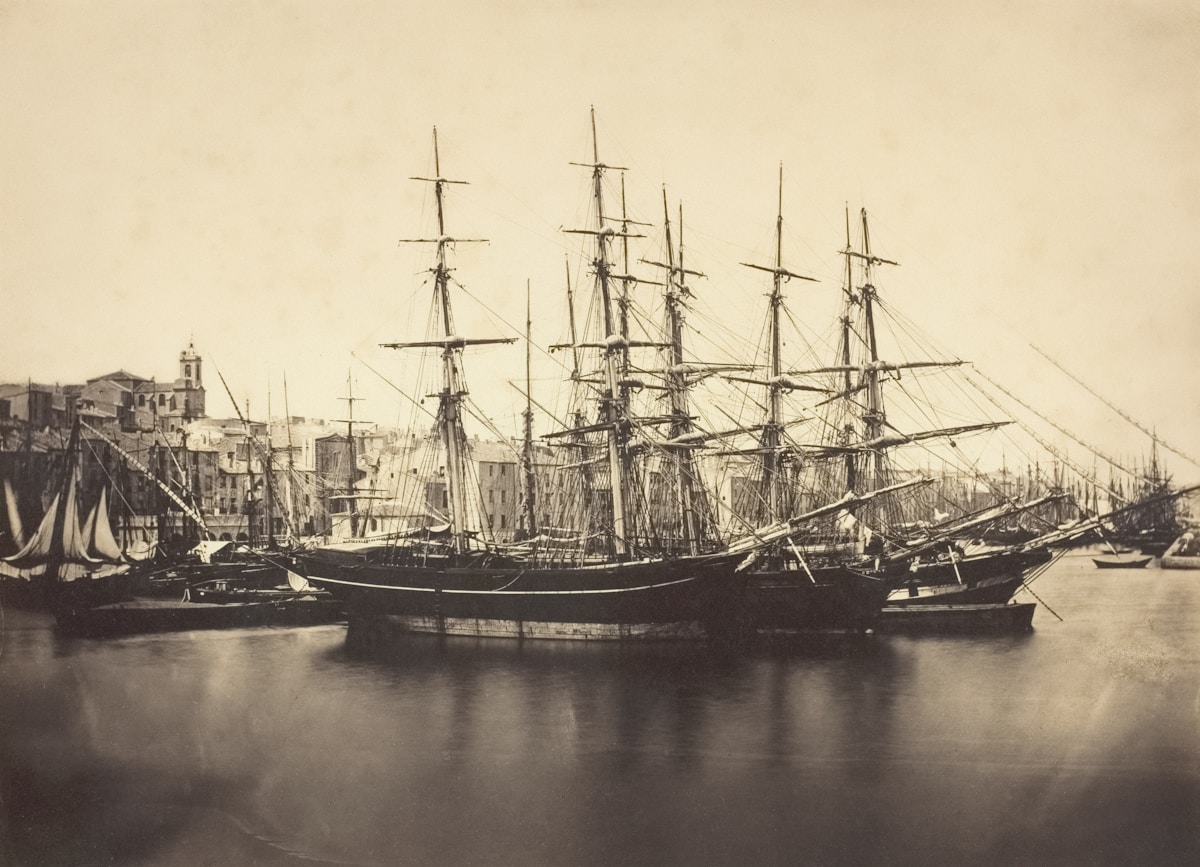
Trade, Then and Now
From the East India Company's monopolies to the 2025 India–UK Free Trade Agreement — what continues, and what has genuinely changed.
Read
Memory, Heritage and the Long Shadow
On the Kohinoor, the global repatriation movement, and what museums owe a country whose art they still hold.
Read