Economy
Empire & the Indian Economy
How 200 years of colonial rule turned the world's richest economy into one of its poorest — and what that inheritance means today.
Key statistic
34% → 1.8%
India's share of world GDP, from the start of the 18th century to the close of colonial rule.
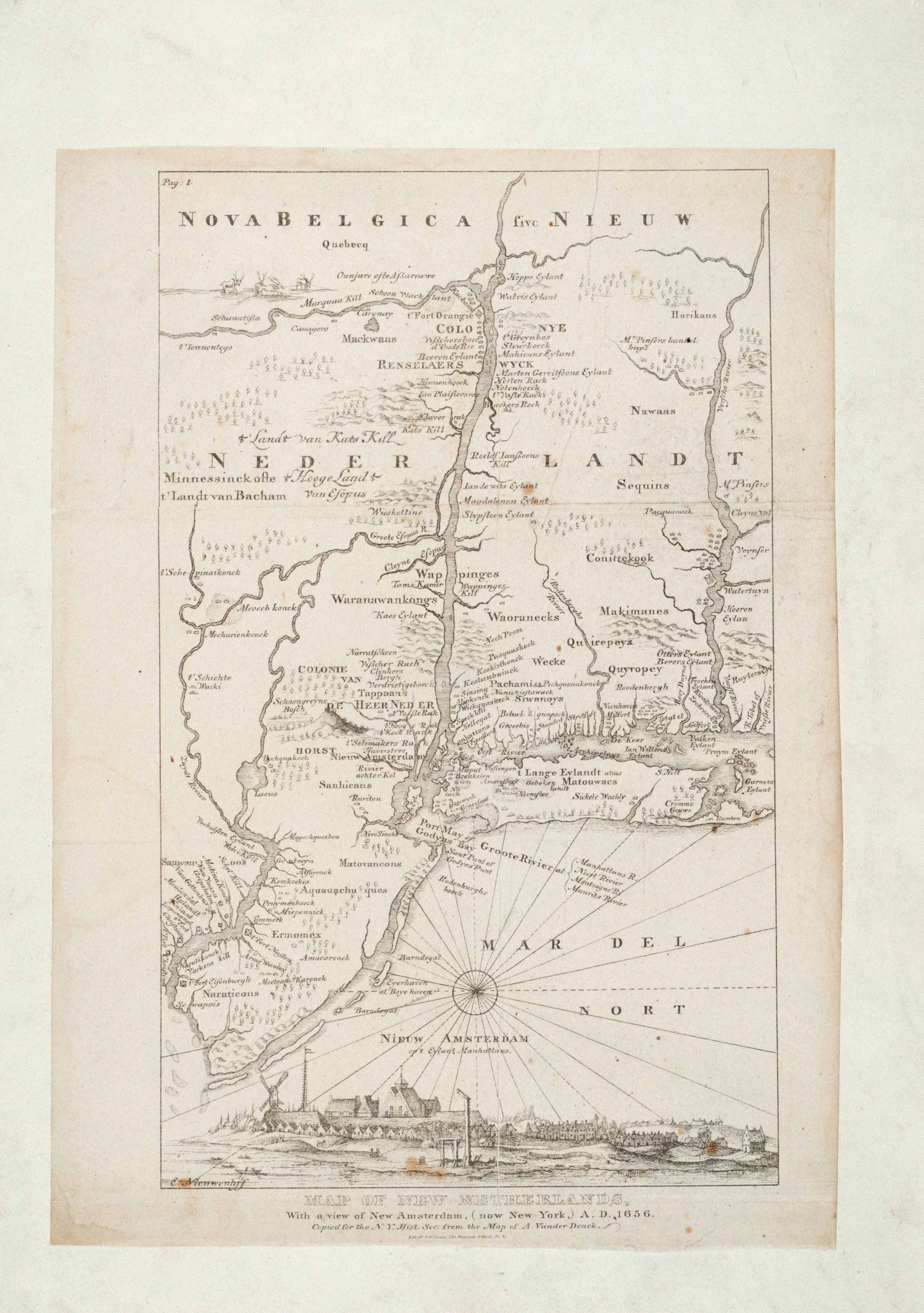
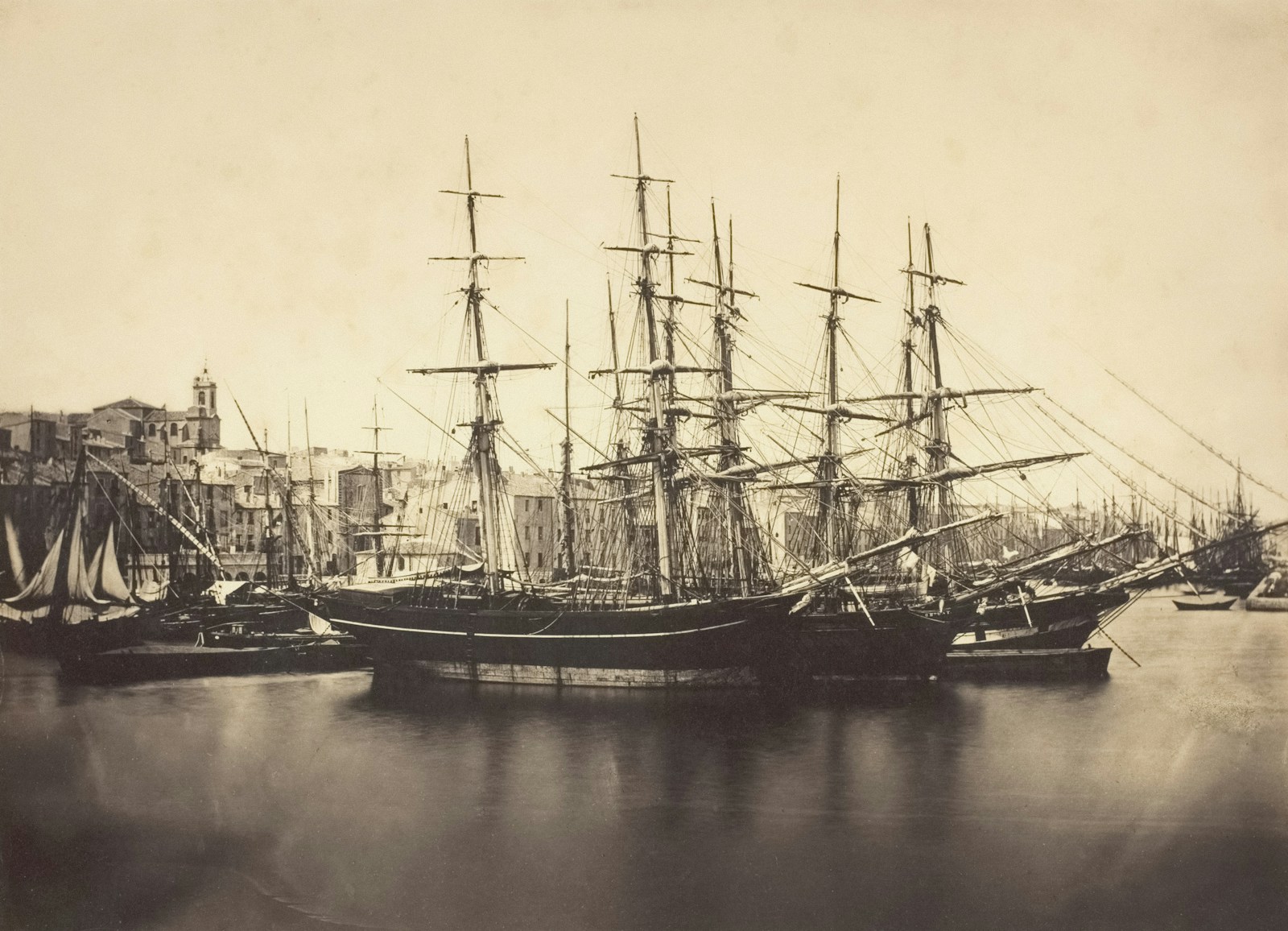
At the start of the 18th century, India accounted for close to a third of the world's economic output. Bengal produced the world's finest textiles. Coastal ports from Surat to Masulipatnam sat at the centre of a trading network that stretched from the Persian Gulf to the South China Sea. Two hundred years later, at the moment of Independence, India's share of the world economy had collapsed to under two per cent. This is the most documented economic reversal in modern history.
The reversal did not happen by accident. It was engineered — through land revenue systems that extracted grain even in years of famine, through the deindustrialisation of Indian weaving in favour of Manchester's mills, through the systematic drain of savings and surplus to Britain, and through infrastructure — railways, ports, telegraphs — designed to move raw material out and finished goods in.
Understanding this story is not a matter of grievance. It is the only honest starting point for any serious conversation about trade, industrial policy, and what a fair economic relationship between India and Britain looks like today.
The Initiative brings together historians, economists and policy voices to trace the arc of this reversal — from the East India Company's earliest monopolies, through the great famines, through the debates over the drain of wealth, and into the terms of contemporary trade agreements.
“The story of India's colonial economy is not history. It is the ground on which every modern conversation about trade with Britain still stands.”
— From the campaign brief
Conversation on the economic drain
[Video conversation with historians and economists — to be embedded.]
Draft content — to be replaced with editorial copy.
Continue Reading
More from The Initiative.
Trade, Then and Now
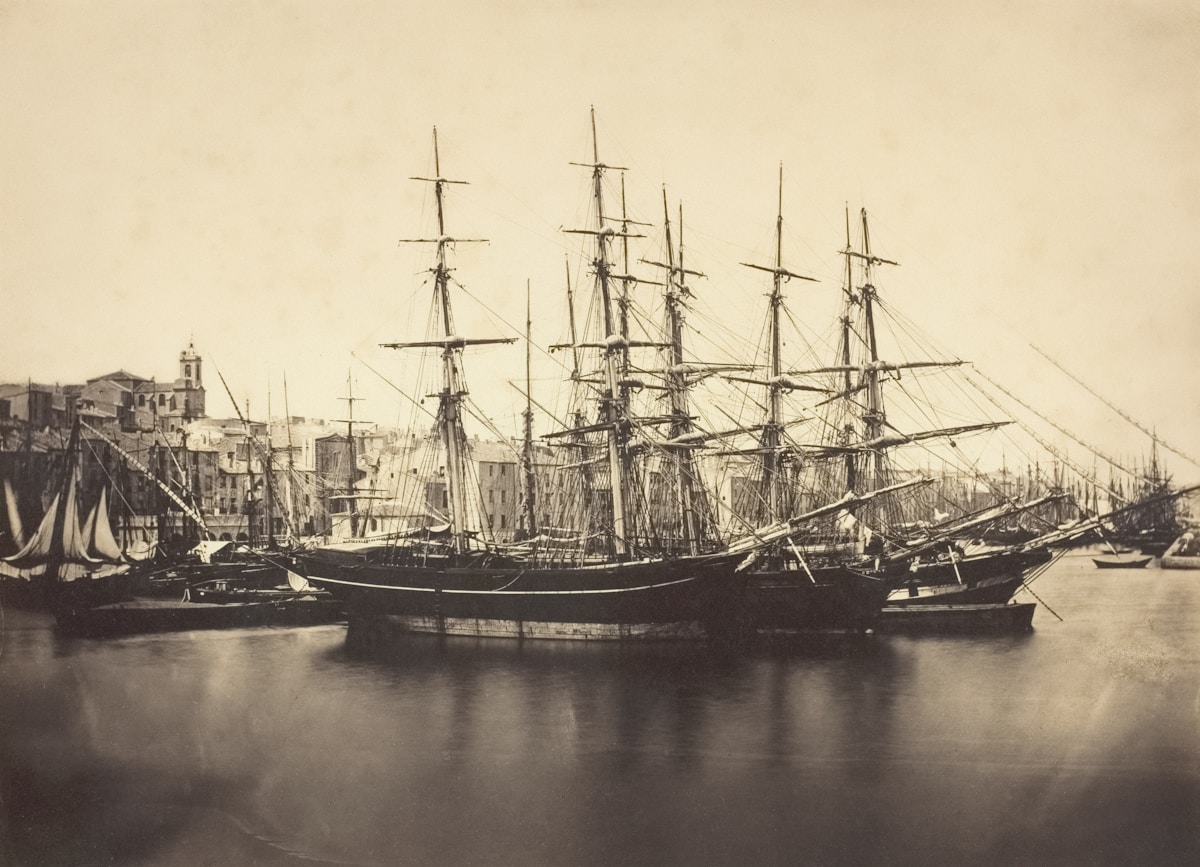
From the East India Company's monopolies to the 2025 India–UK Free Trade Agreement — what continues, and what has genuinely changed.
Read
Memory, Heritage and the Long Shadow
On the Kohinoor, the global repatriation movement, and what museums owe a country whose art they still hold.
Read
Sedition, Then and Now
The colonial laws India inherited, and the slow, contested process of writing them out of the statute book.
Read