Culture
Language, Education, and Macaulay's Minute
At 190, is India still living inside the education system Macaulay designed — and is it decolonising it, or extending it?

Key statistic
1835
Year of Macaulay's Minute on Indian Education — the founding document of English-medium instruction in India.
In 1835, Thomas Babington Macaulay wrote a short administrative memorandum arguing that Indian children should be educated in English, in a curriculum modelled on that of England. His stated aim was to create 'a class of persons Indian in blood and colour, but English in taste, in opinions, in morals and in intellect.' The Minute was accepted, and it shaped Indian schooling for the next century and a half.
The consequences are still with us. English remains the language of Indian higher education, of much of Indian law, of the professional economy. The curriculum has changed, but the architecture — the primacy of English, the shape of the syllabus, the examination system — has proved remarkably durable.

The National Education Policy 2020 is the most ambitious attempt yet to rebalance this inheritance. Whether it succeeds in decolonising Indian education, or simply modernises the same underlying structure, is one of the most consequential civic questions of the next decade.
The Initiative gathers historians of education, linguists, and policy voices to look honestly at where Macaulay's inheritance still runs — and where it has genuinely been outgrown.
“A country that does not think in its own language will always find itself translating its own life.”
— From a campaign essay — draft
Conversation on decolonising Indian education
[Video conversation — to be embedded.]
Draft content — to be replaced with editorial copy.
Continue Reading
More from The Initiative.
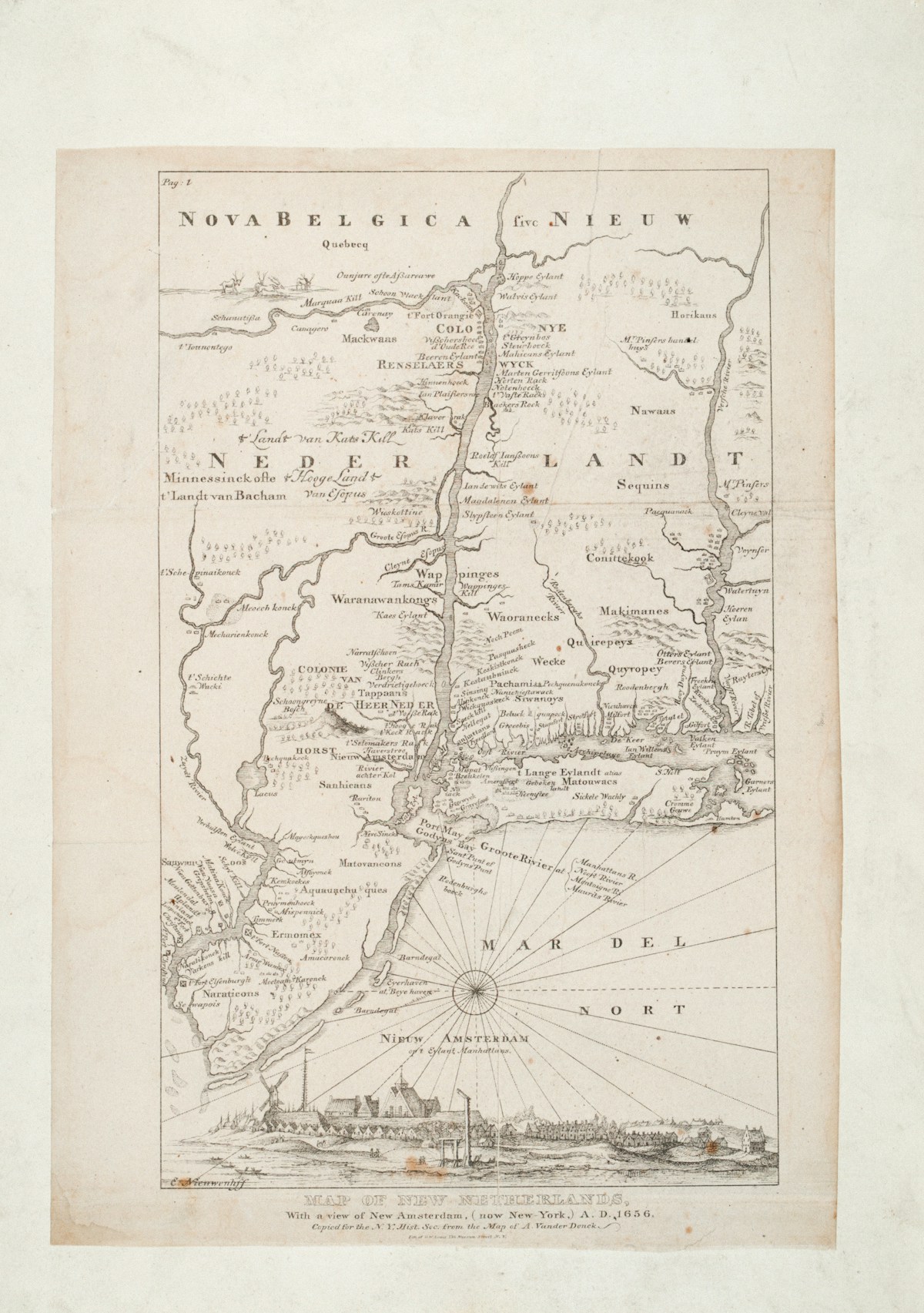
Empire & the Indian Economy
How 200 years of colonial rule turned the world's richest economy into one of its poorest — and what that inheritance means today.
Read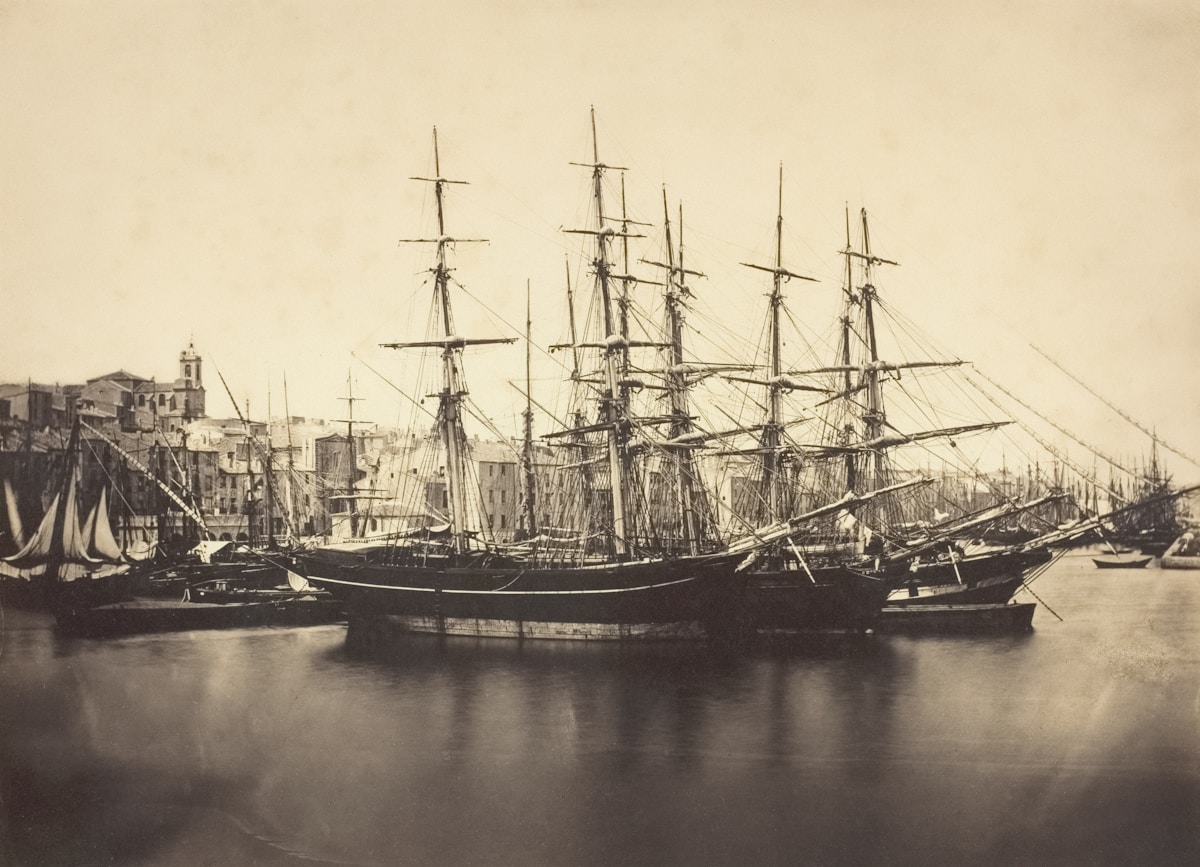
Trade, Then and Now
From the East India Company's monopolies to the 2025 India–UK Free Trade Agreement — what continues, and what has genuinely changed.
Read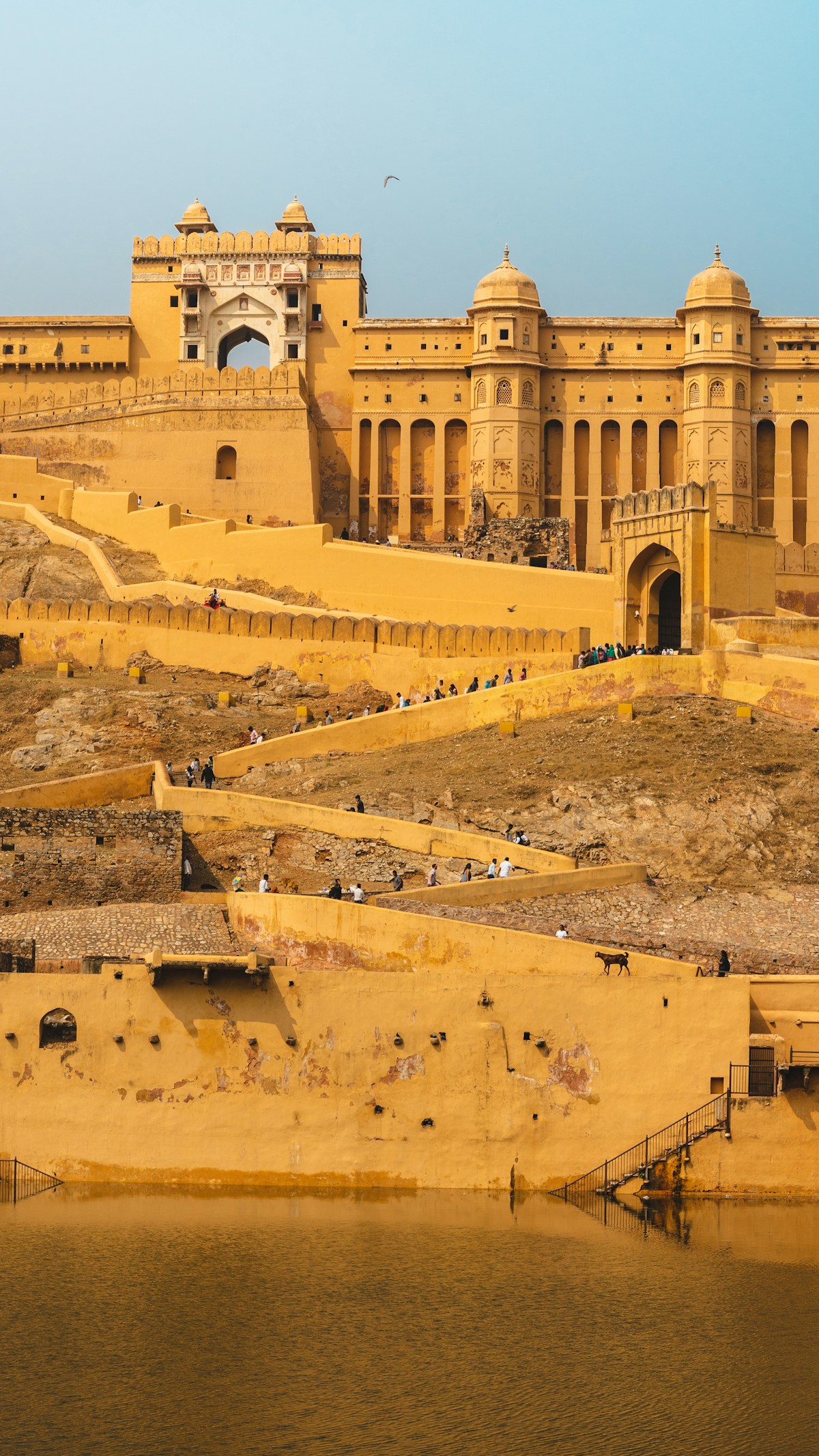
Memory, Heritage and the Long Shadow
On the Kohinoor, the global repatriation movement, and what museums owe a country whose art they still hold.
Read