History
Famine as Policy
The great colonial famines of the 19th and 20th centuries — consequence of empire, or instrument of it?
Key statistic
30M+
Estimated deaths in colonial-era famines between the mid-19th and mid-20th centuries.
Between the great famine of 1876–78 and the Bengal famine of 1943, tens of millions of Indians died in famines that were, in most cases, not caused by an absence of food. Grain moved. Trains ran. Ports exported. The famines were failures of distribution, of policy, and — in the sharpest historical readings — of political will.
The Bengal famine of 1943 is the most documented case. Three million people died in a province from which grain continued to be exported to feed the British war effort. It is one of the most extensively studied episodes in the economic history of the 20th century, and it is a story that Indian schoolchildren are only recently beginning to encounter in their textbooks.
The Initiative takes the great famines seriously as a subject of civic memory. Not to relitigate the past, but to understand how a modern state — Indian or otherwise — should reason about food security, agrarian policy, and the moral weight of administrative decisions in a crisis.
The famines are the sharpest single lens through which to see what colonial governance was, and what a post-colonial state has to be careful never to become.
“Grain kept moving even as India starved. That sentence should still change the way we think about policy.”
— From a campaign essay — draft
Conversation on famine, food policy and empire
[Video conversation — to be embedded.]
Draft content — to be replaced with editorial copy.
Continue Reading
More from The Initiative.
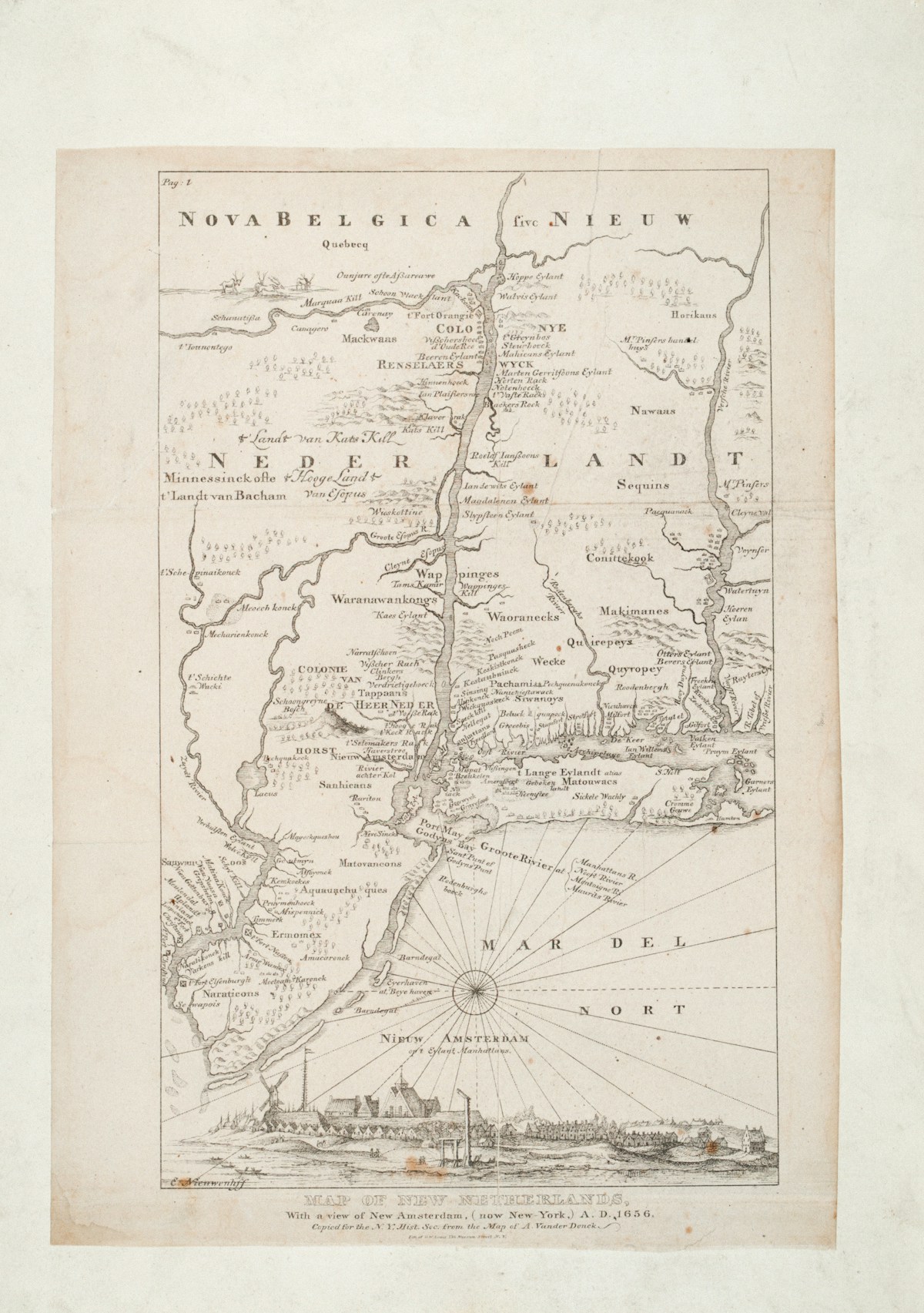
Empire & the Indian Economy
How 200 years of colonial rule turned the world's richest economy into one of its poorest — and what that inheritance means today.
Read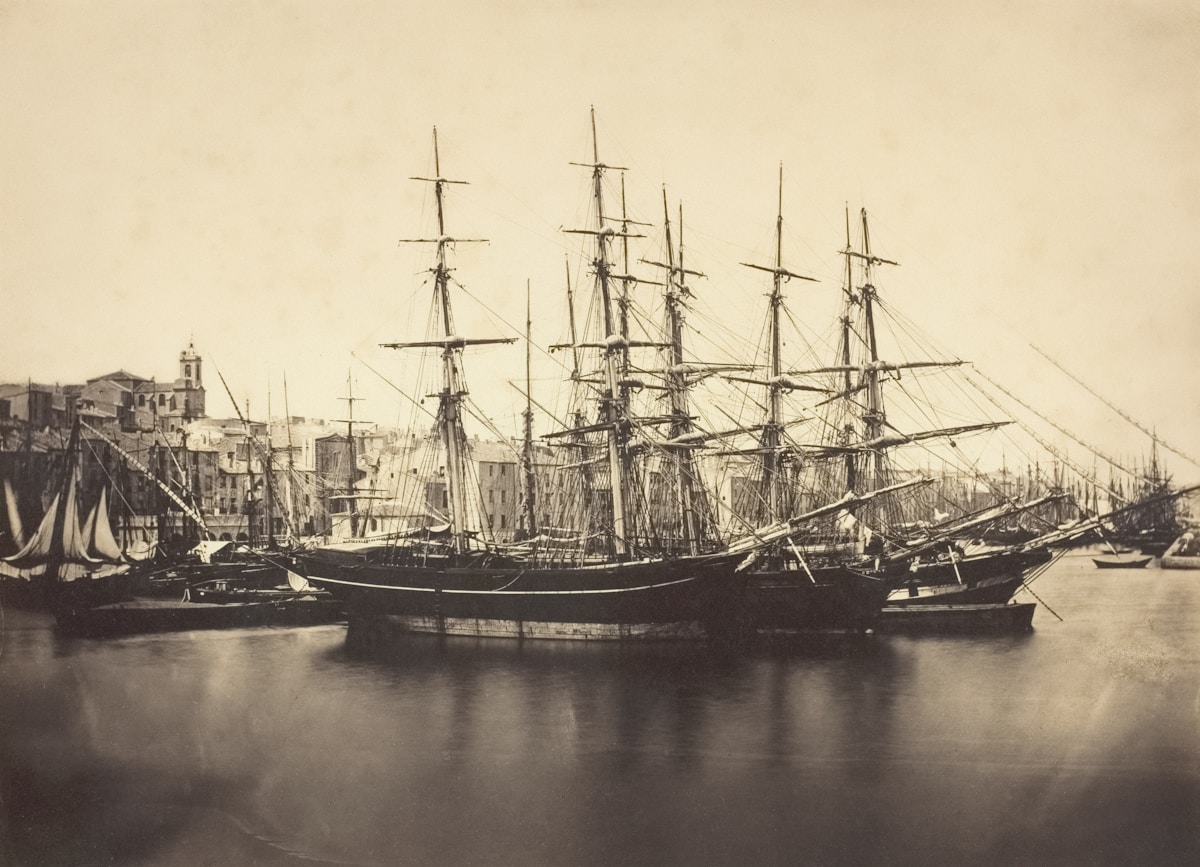
Trade, Then and Now
From the East India Company's monopolies to the 2025 India–UK Free Trade Agreement — what continues, and what has genuinely changed.
Read
Memory, Heritage and the Long Shadow
On the Kohinoor, the global repatriation movement, and what museums owe a country whose art they still hold.
Read