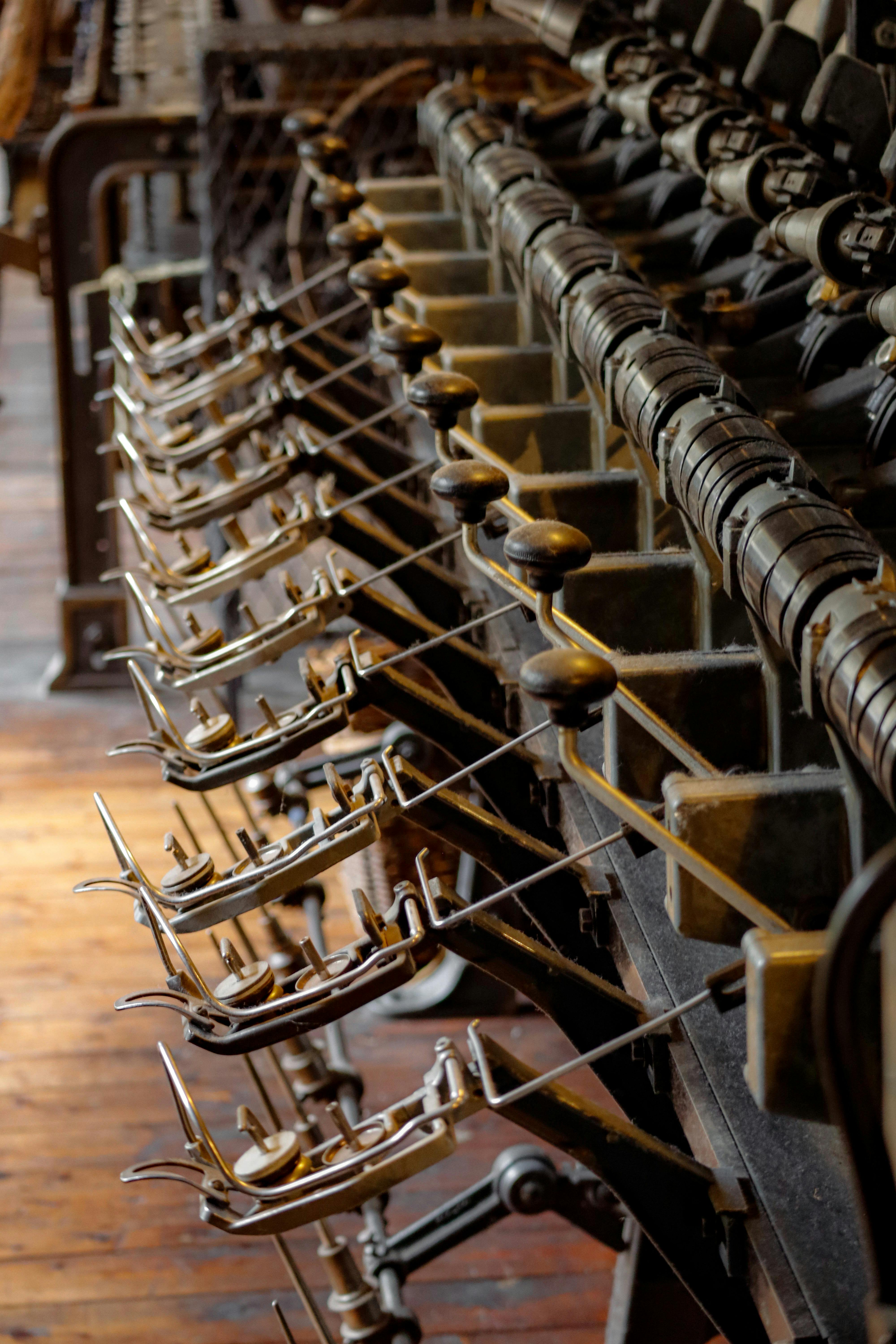
Antique mill machinery, a visual reference to colonial industrial extraction.
Key statistic
30M+
Estimated deaths in colonial-era famines (mid-19th to mid-20th century)
DRAFT CONTENT — TO BE REPLACED. This opening paragraph will set the historical scene for the topic in plain, accessible language. The aim is to make a complex piece of colonial history immediately legible to a general reader — a student, a journalist, a policy professional, or a curious citizen — without requiring prior academic context.
DRAFT CONTENT — TO BE REPLACED. The second paragraph will present the core evidence: the figures, the primary sources, the historians, and the institutional records that anchor the argument. Where there is academic disagreement, it will be acknowledged openly. The campaign is evidence-led and non-partisan; it does not paper over scholarly debate.
DRAFT CONTENT — TO BE REPLACED. The third paragraph will draw the line from the historical record to the present. Why does this matter today? What does it tell us about modern Indian institutions, trade, education, law, or public memory? What questions should an informed public be asking?
DRAFT CONTENT — TO BE REPLACED. The closing paragraph will direct readers to further reading, primary sources, and related topics across the History Library. The campaign maintains a curated source list rather than a fixed bibliography, so that the resource remains useful long after the Roundtable itself.
Draft content — to be replaced.
Comments
· 0Join the conversation
Sign in with Google to share your view. We only use your name and photo to display alongside your comment.
- No comments yet. Be the first.